Tracing Transaction Pathways in Progressive Prize Games Versus Competitive Sports Events on Smartphone Interfaces
Skriven av Xander Schmitz · 2026-10-15
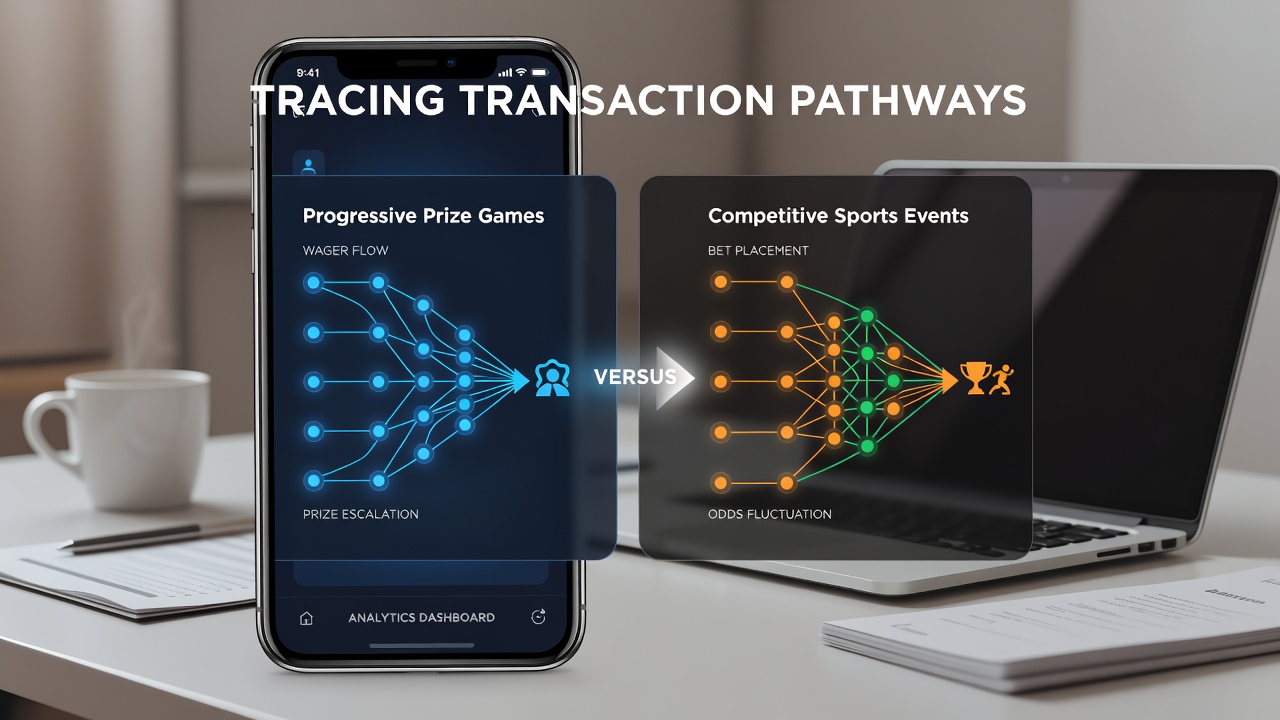
Tracing Transaction Pathways in Progressive Prize Games Versus Competitive Sports Events on Smartphone Interfaces
Transaction pathways in progressive prize games and competitive sports events on smartphone interfaces follow distinct routes shaped by game mechanics, regulatory requirements, and platform architecture; data from mobile operators shows that progressive systems accumulate contributions across multiple users into shared pools while sports events route wagers through real-time odds engines and settlement ledgers. Observers note that both categories rely on encrypted API calls and tokenized payment processors yet diverge in how funds move from user accounts to prize distributions or payout confirmations. Research indicates that smartphone interfaces add layers of geolocation checks and session tokens that verify each step along these pathways before any balance adjustment occurs.
Core Mechanics of Progressive Prize Transaction Flows
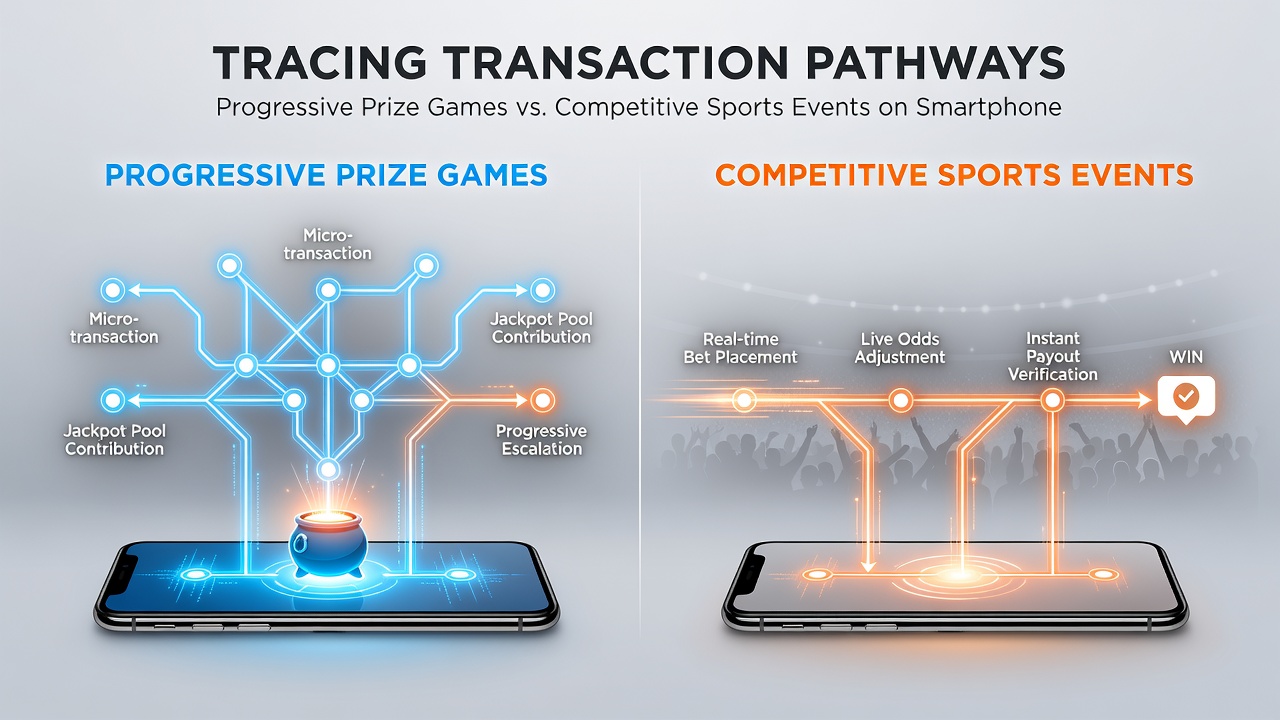
Progressive prize games on smartphones typically initiate transactions when players place base bets that divert small percentages into growing jackpots, and these contributions travel through centralized servers that aggregate amounts from thousands of concurrent sessions across regions. According to figures released by the Nevada Gaming Control Board, such systems processed over 2.4 million incremental contributions daily in 2025 with each pathway logged through immutable audit trails that regulators review during compliance audits. Those who study these flows find that jackpot triggers activate secondary verification sequences where the system pauses further contributions, calculates the winner via random number generators seeded at the time of the trigger, and then routes the full pool amount back through the same tokenized channel to the winning account within seconds of confirmation.
Transaction Routes in Competitive Sports Events
Competitive sports events on the same smartphone interfaces direct wagers along shorter but more volatile pathways that connect directly to live odds feeds and risk management modules, and these routes adjust in real time as game data arrives from external data providers. Evidence suggests settlement occurs almost immediately after event outcomes register, with funds moving from user wallets to operator settlement accounts before final disbursement to winning balances. People who examine mobile sports betting logs discover that each pathway incorporates additional steps for live event validation such as score API callbacks and market suspension signals that prevent further bets once outcomes become certain, and these extra nodes create denser audit records compared with the more linear accumulation seen in progressive systems.
Smartphone Interface Influences on Pathway Visibility
Smartphone interfaces shape how clearly users and regulators can trace these pathways because screen-based dashboards display pending transactions, contribution meters, and settlement statuses through visual elements that mirror backend processes. Studies from the European Gaming and Betting Association reveal that push notifications and in-app ledgers serve as front-end mirrors of server-side logs, allowing players to follow their individual contributions or wagers without accessing raw database entries. What's interesting is that progressive games often display growing meter values that update every few seconds while sports event interfaces emphasize live odds fluctuations and cash-out options that alter pathway direction mid-transaction.
Regulatory Tracking Requirements in October 2026
Regulatory frameworks active in October 2026 require operators to maintain end-to-end visibility of every transaction segment in both game types, and this includes timestamped records of every API hop between the smartphone client, payment gateway, game server, and prize distribution module. Data from Spelinspektionen shows that mobile operators must retain these logs for a minimum of five years with quarterly sampling audits that test pathway integrity across progressive and sports products simultaneously. Those who've reviewed compliance reports note that new rules effective that month also mandate enhanced anomaly detection algorithms capable of flagging unusual contribution spikes in progressive pools or rapid cash-out patterns in sports events before funds leave operator control.
Comparative Analysis of Audit Trail Density
Audit trail density differs markedly between the two categories because progressive pathways accumulate many small transactions over extended periods while sports event pathways concentrate activity around discrete match windows. Researchers discovered that progressive systems generate higher volumes of micro-transactions per user session yet fewer settlement events overall, whereas sports betting produces denser clusters of entries and exits around each event conclusion. One study revealed that smartphone logging tools must handle these volume differences without performance degradation, and operators achieve this through segmented database sharding that separates progressive pool ledgers from sports settlement queues.
Conclusion
Transaction pathways in progressive prize games and competitive sports events on smartphone interfaces continue to evolve under layered regulatory oversight and technical refinements that prioritize traceability at every node. Figures reveal consistent growth in both categories through 2026 with mobile interfaces serving as the primary access point for users and the most visible layer for compliance monitoring. Observers note that the structural differences in how funds accumulate versus how they settle remain the defining factor that shapes distinct audit strategies for each product type.