How Evolving Statutes Are Affecting the Fusion of Athletic Wagering with Interactive Dealer Tables on Smartphones
Skriven av Paul Reed · 2026-09-03
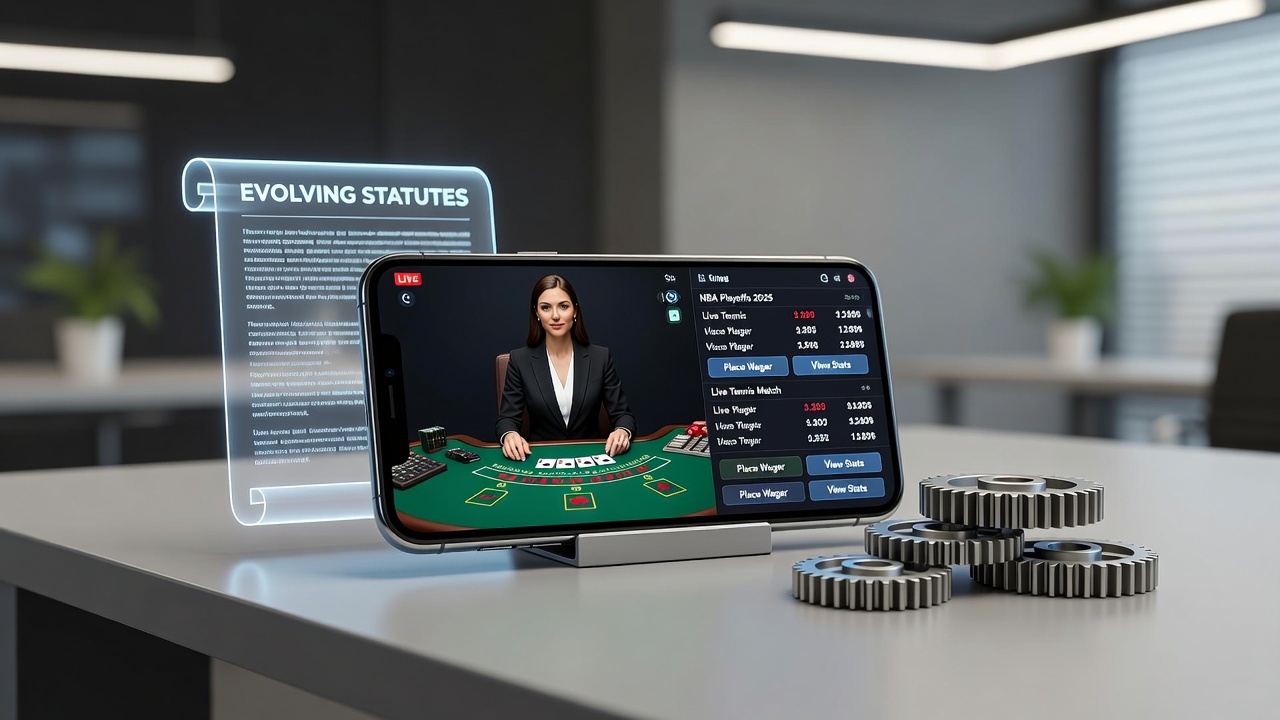
How Evolving Statutes Are Affecting the Fusion of Athletic Wagering with Interactive Dealer Tables on Smartphones
Legislative changes across multiple jurisdictions continue to reshape how operators combine sports wagering platforms with live dealer casino features on mobile devices, and statutes enacted in 2025 set the stage for further adjustments by September 2026. Regulators in several states and countries now require clear separation of betting categories within single applications while permitting shared user accounts, which forces developers to redesign navigation flows and verification processes. Data from industry reports indicate that these requirements have led to increased compliance costs for companies operating in both North America and parts of Europe.
Key Statutory Developments in Major Markets
American states such as New Jersey and Pennsylvania updated their gaming codes during 2025 to address hybrid mobile products, and these revisions mandate separate licensing for sports betting and table game operations even when delivered through the same smartphone app. Observers note that the rules also impose geofencing standards that must distinguish between different wager types in real time. Meanwhile, Australian authorities through the Australian Communications and Media Authority have introduced similar guidelines that take effect progressively through late 2026, requiring platforms to display distinct terms for athletic wagers versus interactive dealer sessions.
Canadian provinces including Ontario expanded their regulatory frameworks in early 2026, and new provisions there require age verification steps that apply uniformly across both sports and live dealer modules. Researchers at the University of Nevada Gaming Research Center documented how these layered requirements affect app architecture, noting that many operators now maintain parallel backend systems to satisfy differing regional rules without merging data streams.
Technical Integration Challenges Under New Rules
Developers face concrete hurdles when statutes demand that live dealer streams remain isolated from sports betting interfaces on the same device. Companies must implement independent random number generators for table games while routing sports odds through separate feeds, and this separation often extends to payment processing modules as well. Figures from the American Gaming Association reveal that mobile hybrid apps saw a 22 percent rise in development expenses during the first half of 2026 directly tied to these compliance adjustments.
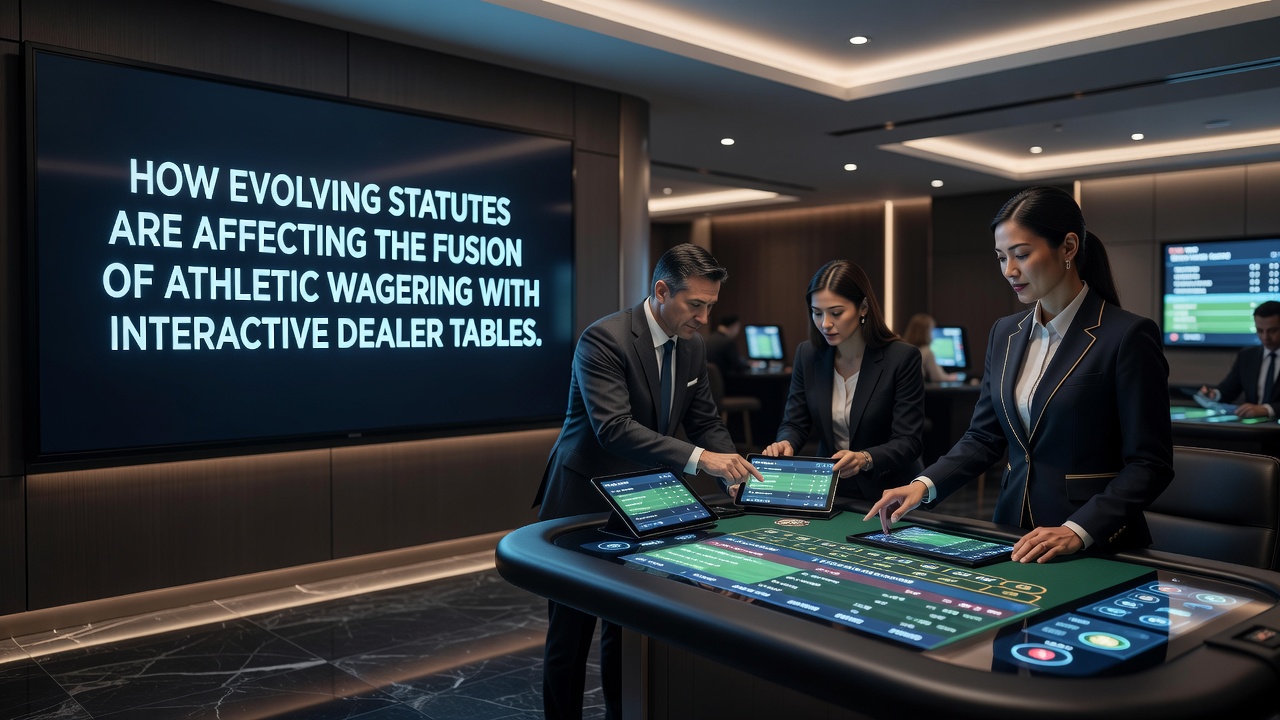
Platform providers report that real-time synchronization between athletic events and dealer tables creates additional audit trails that regulators now examine during licensing renewals. One case in Michigan showed how a major operator had to rebuild its entire mobile backend after state officials determined that combined leaderboards violated emerging guidelines on cross-category promotions. Those adjustments delayed the app update by four months and required fresh testing protocols approved by the Michigan Gaming Control Board.
Market Data and Adoption Patterns
Market analysis from the European Gaming and Betting Association indicates that jurisdictions with updated statutes experienced slower rollout of hybrid mobile features compared to regions with more stable frameworks. In September 2026 several U.S. states plan to review these early implementations, and preliminary filings suggest operators will request clarifications on whether in-app notifications can reference both sports results and dealer outcomes simultaneously. Evidence from user activity logs shows that players in regulated markets tend to maintain separate balances for each category when statutes enforce clear distinctions.
Academic studies published by the International Centre for Gaming Regulation highlight how mobile device operating systems interact with these statutory demands, particularly around data storage and session management. The research points to increased use of containerized app modules that keep sports wagering functions separate from interactive dealer streams at the code level, reducing the risk of regulatory violations during routine inspections.
Future Adjustments Expected by Late 2026
Additional rule changes scheduled for September 2026 in select European markets will require explicit disclosure of algorithmic fairness for both athletic odds and dealer shuffles within the same user interface. Regulators in those areas plan to mandate third-party audits that cover the entire mobile application rather than isolated components, which will likely influence how operators structure their partnerships with software providers. Data collected through the first eight months of 2026 already shows a measurable shift toward modular app designs that allow quick toggling between regulatory compliance modes based on user location.
Conclusion
Statutory evolution continues to drive structural changes in mobile applications that merge athletic wagering with interactive dealer tables, and the period leading into September 2026 will likely bring further refinements as regulators review initial compliance outcomes. Companies operating across borders must maintain flexible systems that accommodate differing requirements while preserving seamless user experiences within the boundaries set by each jurisdiction. Ongoing documentation from industry associations and academic centers provides the clearest picture of how these adjustments unfold in practice.