Examining Funding Channel Adaptations for Real-Time Play and Prize Accumulation in Handheld Regulated Environments
Skriven av Zara Jenkins · 2026-09-17
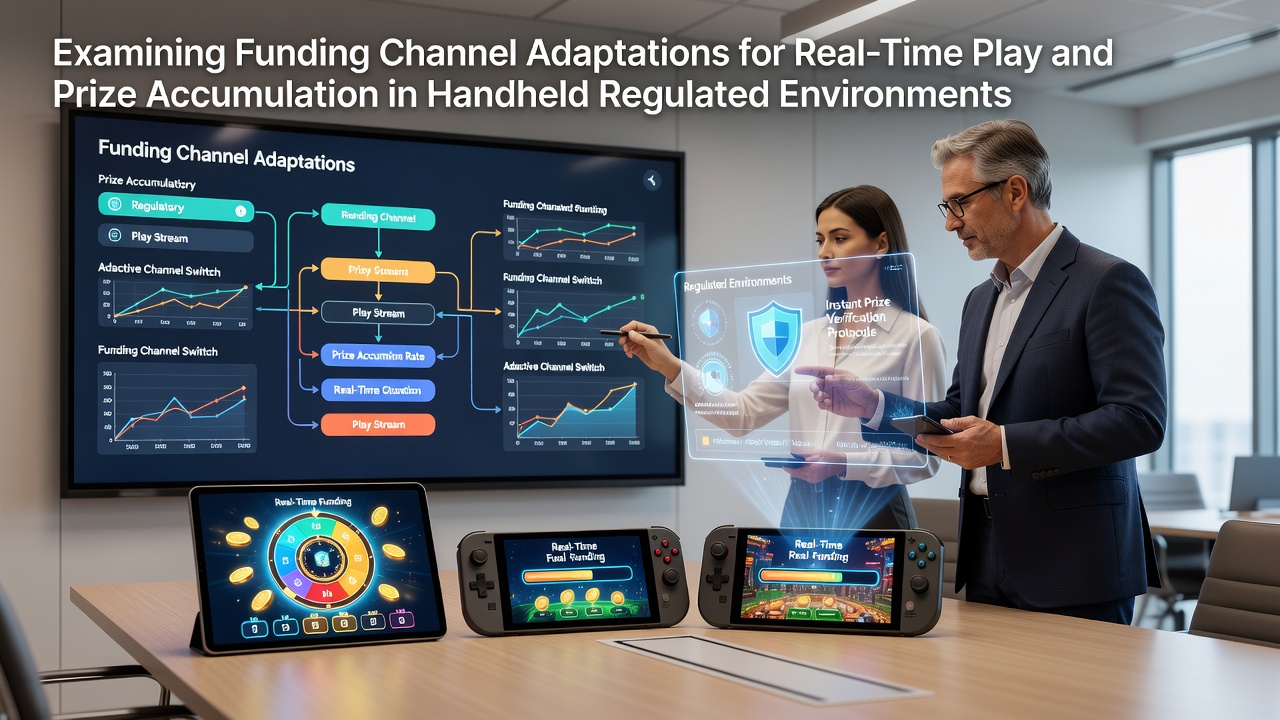
Examining Funding Channel Adaptations for Real-Time Play and Prize Accumulation in Handheld Regulated Environments
Operators in regulated markets have adjusted funding channels to support instant deposits and withdrawals that align with continuous play sessions on smartphones and tablets, while prize accumulation systems track winnings across multiple games without interruption. These changes respond to demands for seamless transactions that keep players engaged during live dealer sessions or slot sequences on handheld devices. Data from state regulators shows transaction volumes for mobile gaming increased steadily through mid-2026, with particular spikes noted in September when new device compatibility standards took effect in several jurisdictions.
Core Technical Adjustments in Payment Infrastructure
Payment processors integrated API frameworks that enable sub-second authorization for deposits, allowing users to fund accounts and enter real-time table games without leaving the application. Systems now route transactions through encrypted tunnels that comply with jurisdiction-specific security protocols, and this setup supports prize accumulation by updating balances in real time as wins occur during handheld sessions. Observers note that operators in North American markets adopted these frameworks earlier than some European counterparts, though both regions report similar integration timelines by September 2026. Figures released by the New Jersey Division of Gaming Enforcement indicate that mobile deposit success rates reached 98.7 percent during peak hours after these updates.
Regulatory Drivers Shaping Channel Evolution
Government agencies across multiple regions issued updated guidelines that require funding methods to maintain audit trails while permitting near-instant prize payouts to player accounts on handheld devices. These rules emphasize verifiable transaction logs that link each deposit directly to game outcomes, which supports accumulation of progressive prizes without manual intervention. Australian regulatory bodies published compliance reports showing that operators who implemented layered verification steps reduced processing delays by an average of 42 seconds per transaction. Canadian provincial authorities followed with similar mandates focused on cross-device consistency, ensuring prize balances remain synchronized when users switch between phones and tablets mid-session.
Regional Implementation Patterns Observed in 2026
Markets in the United States demonstrated faster rollout of instant bank transfer options tied to regulated mobile platforms, whereas European operators leaned toward e-wallet expansions that integrate with existing prize tracking software. Data compiled by the European Gaming and Betting Association reveals that handheld gaming accounted for 67 percent of all regulated transactions in the first three quarters of 2026, with funding channel upgrades contributing to higher session lengths. Operators in these areas also adjusted withdrawal protocols to release accumulated prizes within minutes rather than hours, aligning with updated fairness standards. One study from an independent research group documented how these adaptations affected player retention metrics across different device types.

What's notable is the way prize accumulation mechanisms now pull from pooled contributions across multiple games while crediting individual accounts instantly upon trigger events. This requires funding channels to handle variable load during high-traffic periods without latency spikes that could interrupt real-time play. Reports indicate that systems incorporating predictive load balancing maintained 99.4 percent uptime during September testing phases in several jurisdictions.
Security and Compliance Integration
Encryption standards evolved alongside funding adaptations to protect transaction data during real-time transfers on handheld networks. Regulated environments mandate multi-factor authentication that occurs in the background so players experience minimal disruption when moving between deposit and game interfaces. Industry reports highlight that operators who embedded compliance checks into the payment flow itself achieved faster approval cycles while meeting audit requirements. Those adaptations also extend to prize distribution, where accumulated winnings undergo automated verification before release to prevent discrepancies in handheld sessions.
Impact on Player Behavior and System Performance
Transaction logs from regulated platforms show that players complete more consecutive game rounds when funding and prize updates happen without leaving the handheld application. Prize accumulation features that display running totals in real time encourage continued participation across game categories. Performance metrics collected through September 2026 demonstrate reduced abandonment rates at deposit screens after infrastructure upgrades, wth similar patterns appearing in both mature and emerging markets. Researchers tracking these metrics emphasize the connection between seamless channel operation and sustained engagement during live events.
Conclusion
Funding channel adaptations continue to support real-time play and prize accumulation by aligning technical capabilities with regulatory expectations across handheld environments. Jurisdictions that implemented coordinated updates saw measurable improvements in transaction efficiency and balance synchronization by late 2026. These developments reflect ongoing coordination between operators, processors, and oversight bodies to maintain secure, traceable systems that function reliably on mobile networks.