Decoding Legal Impacts on Mobile Poker and Sports Betting Hybrids in Scandinavian Digital Spaces
Skriven av Willa Ludwig · 2026-11-12
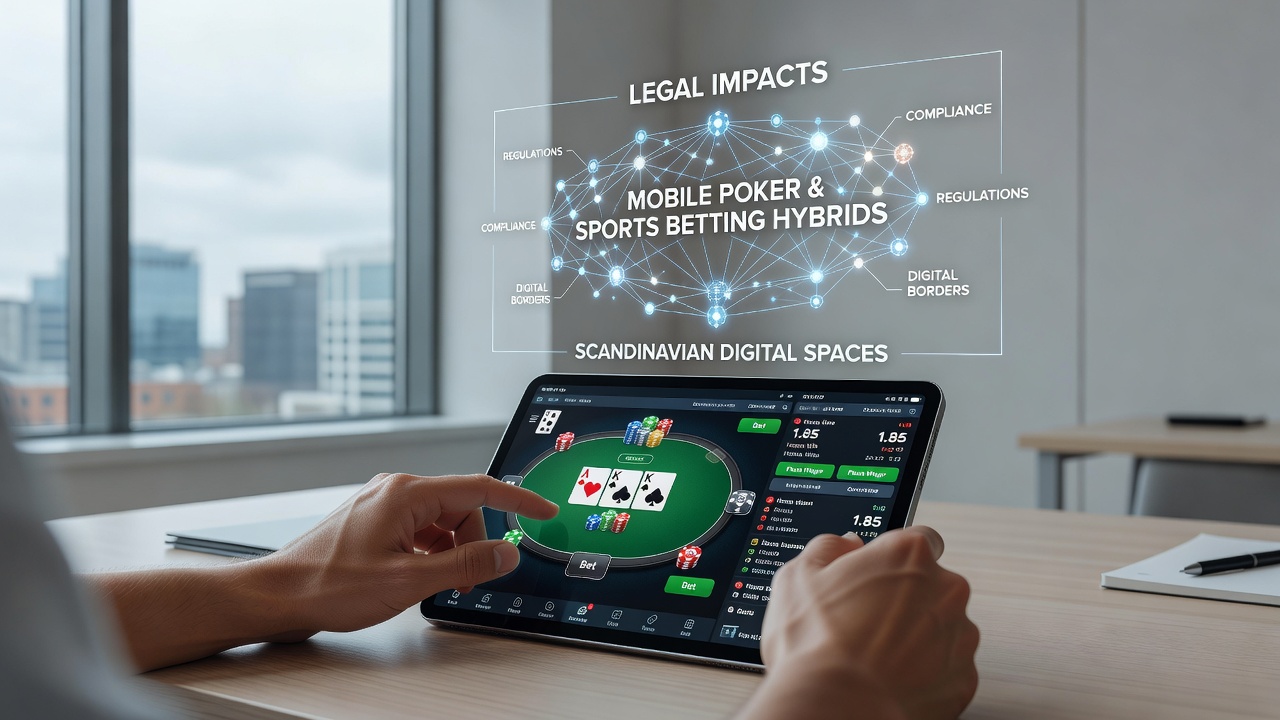
Decoding Legal Impacts on Mobile Poker and Sports Betting Hybrids in Scandinavian Digital Spaces
Scandinavian countries maintain distinct yet overlapping regulatory frameworks that shape mobile poker and sports betting hybrids, and these rules continue to evolve through licensing systems that directly influence how operators combine both activities on smartphone platforms. Sweden operates under the Spelinspektionen authority which requires separate licenses for casino games like poker and for sports betting, while hybrid apps must comply with technical standards that prevent seamless cross-promotion without additional approvals. Denmark follows a similar model through Spillemyndigheden where operators receive permits that specify permitted game types, and recent updates have addressed how real-time sports events integrate with poker tables inside single mobile applications.
Regulatory Structures Across Key Markets
Norway restricts most private gambling to state monopolies managed by Norsk Tipping, yet mobile hybrids face strict boundaries because poker falls under casino categories that remain limited while sports betting operates through authorized channels, and developers must navigate these divisions to avoid unlicensed offerings. Finland grants its gaming authority broad oversight through Veikkaus and related bodies, where hybrid products require explicit categorization that separates poker mechanics from sports wagers, and compliance checks occur at both the application level and the transaction processing stage.
Observers note that data from national regulators indicate mobile usage accounts for over seventy percent of total gambling activity in these markets, which places additional pressure on hybrid operators to meet localization rules including language support, age verification protocols, and responsible gambling tools that activate across both poker and sports sections. Research indicates that operators who secure dual licenses in Sweden have expanded hybrid features more rapidly than those operating under single permits, yet they must still isolate bonus structures to prevent one activity from subsidizing the other in ways that violate advertising restrictions.
Technical and Licensing Challenges for Hybrids
Hybrid applications encounter specific hurdles when combining poker tournaments with live sports betting because Swedish rules demand that each game type logs separately for tax and reporting purposes, and this separation extends to mobile interfaces where users switch between sections. Experts have observed that November 2026 saw Spelinspektionen release updated guidelines on in-app notifications, requiring clearer distinctions between poker promotions and sports event alerts to reduce cross-selling that could target vulnerable players.

Operators who fail to segment these features risk license reviews that can pause hybrid functionality for months, and figures from industry reports reveal that several platforms adjusted their Scandinavian rollouts after similar enforcement actions in prior years. Those who've studied these patterns know that Denmark introduced enhanced data-sharing requirements between licensed entities and the national registry in 2025, which now affects how hybrid apps track player activity across poker sessions and sports wagers in real time.
Cross-Border and Mobile-Specific Considerations
Cross-border play remains restricted because each Scandinavian jurisdiction enforces geo-blocking and local payment integrations that complicate unified hybrid experiences, and researchers discovered that users often encounter fragmented account systems when attempting to access both poker and sports features from different countries. Academic studies on digital gambling patterns show that mobile-specific regulations emphasize device-level controls such as session timers and deposit limits that apply uniformly regardless of game type, yet enforcement varies because Norwegian rules prioritize monopoly protection while Swedish frameworks allow more private competition under strict oversight.
According to Spelmyndigheten reports, compliance audits in 2026 focused on hybrid apps that bundle poker leaderboards with sports odds feeds, and several operators revised their interfaces to meet clearer separation standards. Industry organizations have documented that these adjustments increased development costs but also reduced the number of regulatory queries once implemented correctly.
Emerging Patterns and Enforcement Trends
Enforcement actions often target marketing practices that blend poker achievements with sports betting incentives, and data shows that fines in Denmark reached several million euros in cases where hybrid apps failed to maintain distinct promotional channels. Those who've examined enforcement records note that November 2026 brought renewed attention to real-money tournaments that incorporate sports event outcomes, prompting operators to implement additional verification steps before users could participate in combined formats.
Technical standards now require secure APIs that prevent unauthorized data flow between poker engines and sports betting engines within the same application, and this architecture helps regulators monitor activity without granting full access to proprietary systems. Evidence suggests that platforms adopting these standards early encountered fewer delays during licensing renewals compared with those that relied on older monolithic designs.
Conclusion
Scandinavian regulations continue to define the boundaries for mobile poker and sports betting hybrids through licensing categories, technical mandates, and ongoing compliance reviews that reflect each country's approach to market control. Operators must align product architecture with these layered requirements while maintaining functionality that users expect from integrated smartphone experiences, and national authorities maintain active oversight that adapts to new platform capabilities as they emerge.